About
About
About
Minister
Rev Dr Deo Vistar
My name is Deo Vistar, and I am grateful for the privilege of serving as the Minister of St Augustine’s. I have been married to my wife, Guan, for over ten wonderful years, and together we are blessed with two lovely children – Angela and Nathan – who bring great joy to our lives.
I love the pastoral, preaching, and teaching ministry of the Church, and I would not exchange this calling for anything else. In preaching, my aim is to open God’s Word clearly and faithfully – helping adults, young people, and children alike to understand the Scriptures and to see the beauty of Christ. I also enjoy teaching the Bible in small groups and one-to-one settings, where people can explore faith, ask questions, and grow in their walk with the Lord.
Pastorally, I count it a privilege to share in the lives of our parishioners through regular visits, conversations and prayer. It is my heartfelt desire to see St Augustine’s continue to grow as a loving, welcoming and Christ-centred community, strengthened by the gospel and united in God’s mission.
Guan and I consider it a blessing to be part of the St Augustine’s family, and we thank God for His goodness and for the opportunity to serve Him and His people in this place.
If you are exploring faith, seeking a church community, or simply curious about who we are, I would love to invite you to join us for worship at St Augustine’s. You will find a warm, welcoming congregation and a place where you can grow in your relationship with God. And if you would like to connect or have any questions, please feel free to send me an email – I would be glad to hear from you.
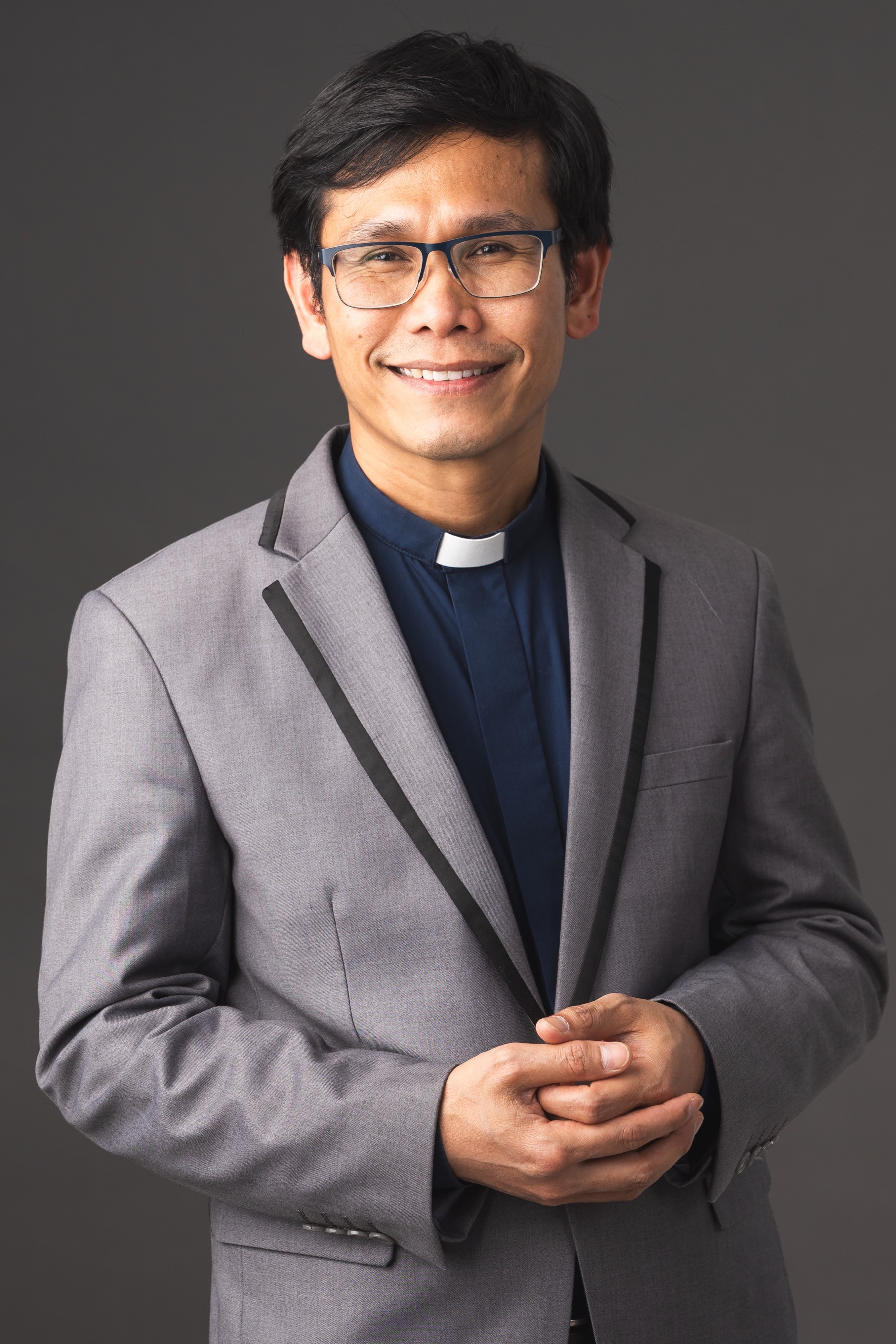
Minister
Rev Dr Deo Vistar
My name is Deo Vistar, and I am grateful for the privilege of serving as the Minister of St Augustine’s. I have been married to my wife, Guan, for over ten wonderful years, and together we are blessed with two lovely children – Angela and Nathan – who bring great joy to our lives.
I love the pastoral, preaching, and teaching ministry of the Church, and I would not exchange this calling for anything else. In preaching, my aim is to open God’s Word clearly and faithfully – helping adults, young people, and children alike to understand the Scriptures and to see the beauty of Christ. I also enjoy teaching the Bible in small groups and one-to-one settings, where people can explore faith, ask questions, and grow in their walk with the Lord.
Pastorally, I count it a privilege to share in the lives of our parishioners through regular visits, conversations and prayer. It is my heartfelt desire to see St Augustine’s continue to grow as a loving, welcoming and Christ-centred community, strengthened by the gospel and united in God’s mission.
Guan and I consider it a blessing to be part of the St Augustine’s family, and we thank God for His goodness and for the opportunity to serve Him and His people in this place.
If you are exploring faith, seeking a church community, or simply curious about who we are, I would love to invite you to join us for worship at St Augustine’s. You will find a warm, welcoming congregation and a place where you can grow in your relationship with God. And if you would like to connect or have any questions, please feel free to send me an email – I would be glad to hear from you.
Our Team
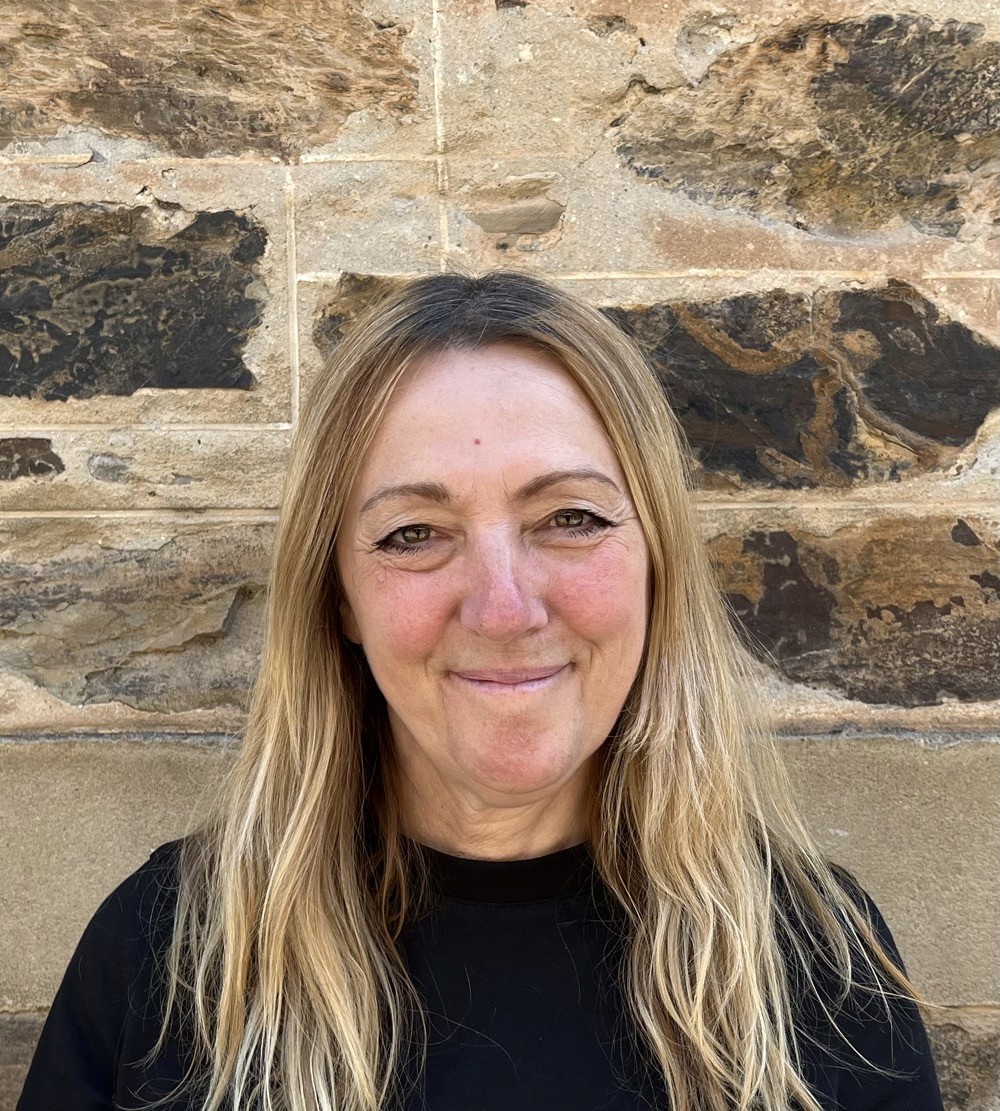
Nadia Papazoglou
Op Shop Manager
0452 651 870
Nadia Papazoglou
Op Shop Manager
0452 651 870
Nadia Papazoglou
Op Shop Manager
0452 651 870
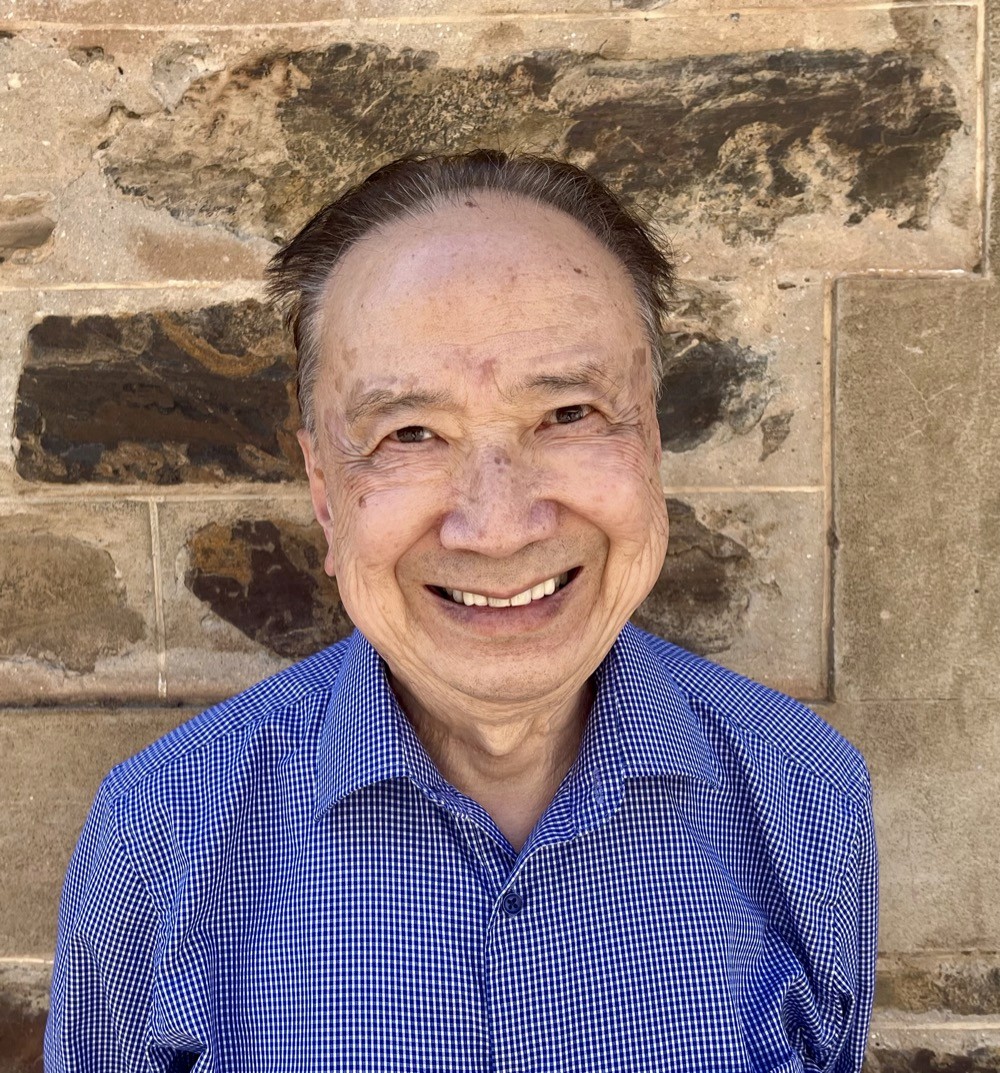
Jeffrey Kong
Music Director
jkong@aussiebb.com.au
Jeffrey Kong
Music Director
jkong@aussiebb.com.au
Jeffrey Kong
Music Director
jkong@aussiebb.com.au
Our Parish Wardens
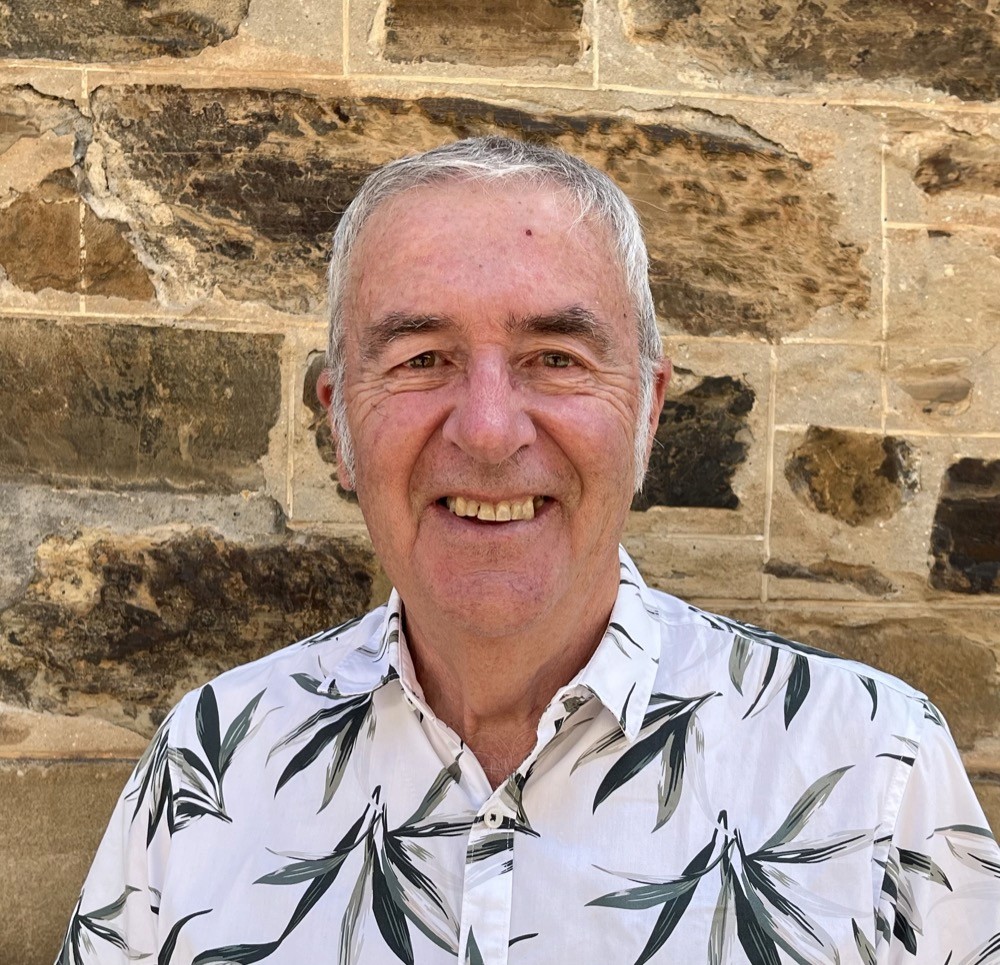
Don Palmer
Priest’s Warden
Don Palmer
Priest’s Warden
Phone
Don Palmer
Priest’s Warden
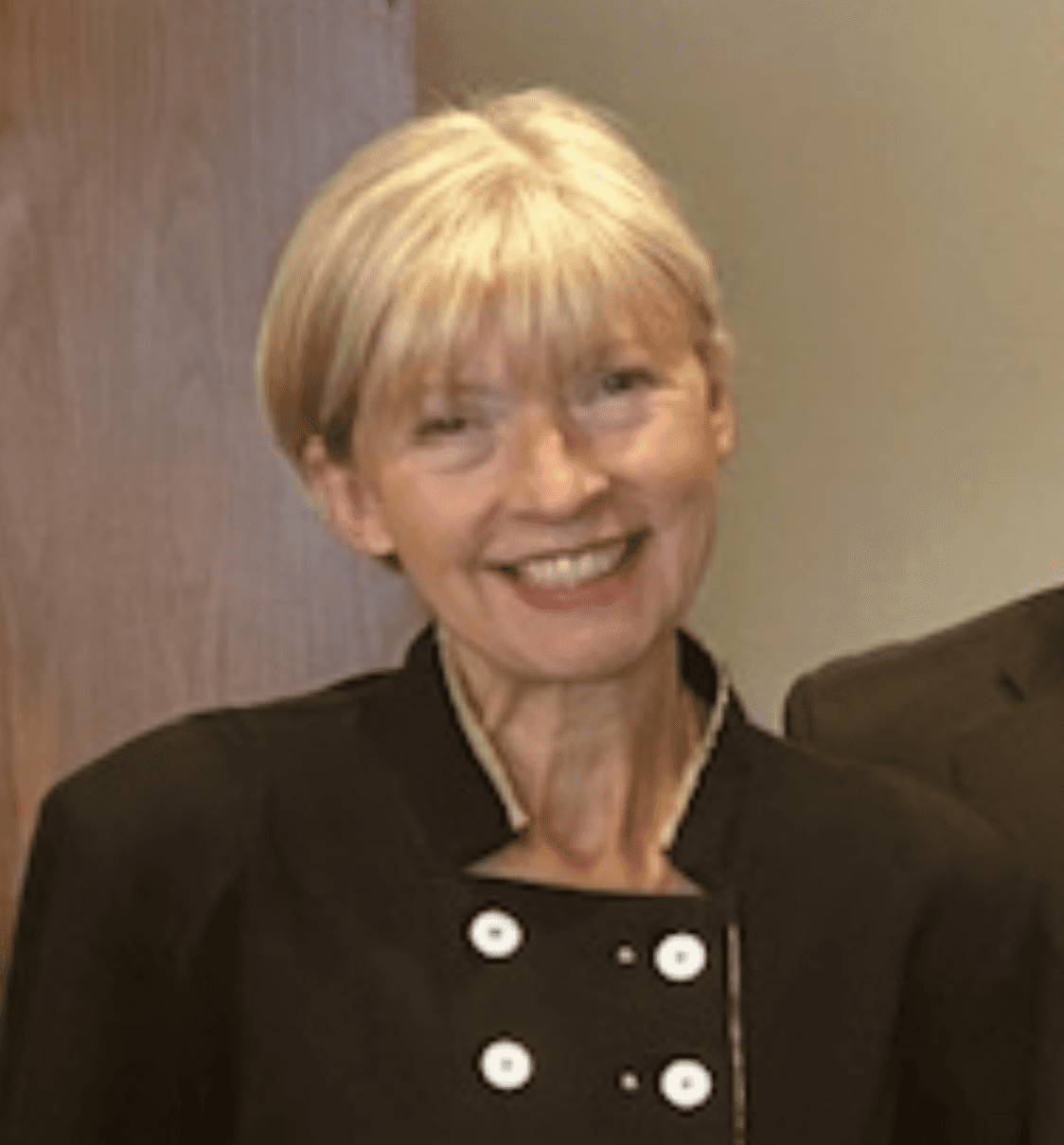
Josephine Marshall
People’s Warden
Josephine Marshall
People’s Warden
Josephine Marshall
People’s Warden
Jeffrey Tan
Mandarin Warden
Jeffrey Tan
Mandarin Warden
Jeffrey Tan
Mandarin Warden
Parish Council
The Parish Council is a group of members of St Augustine’s Church, elected by nomination through the Annual Meeting of Parishioners and called to serve the Body of Christ.
The Parish Council is responsible for providing accountable oversight of the church serving alongside the Parish Priest working and praying together for a ministry that reflects the Kingdom of God and the saving grace of Jesus Christ.
Members for 2026
Don Palmer, Josephine Marshall, Jeffrey Tan, Anne Ford, Kevin Scarce AC CSC, Andy Shen Chek Liew
Credit: Photography by David Haddy
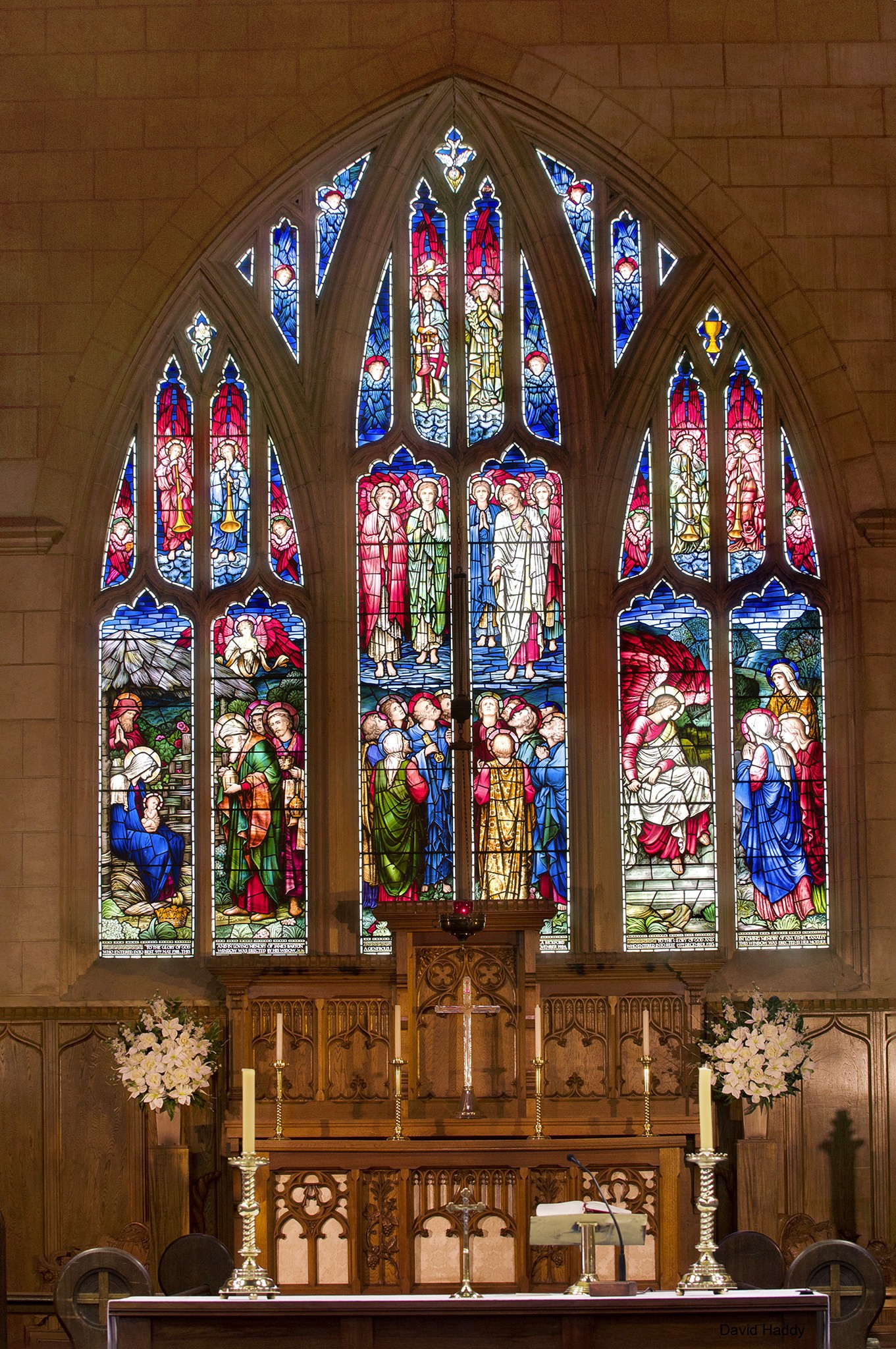
Parish Council
The Parish Council is a group of members of St Augustine’s Church, elected by nomination through the Annual Meeting of Parishioners and called to serve the Body of Christ.
The Parish Council is responsible for providing accountable oversight of the church serving alongside the Parish Priest working and praying together for a ministry that reflects the Kingdom of God and the saving grace of Jesus Christ.
Members for 2026
Don Palmer, Josephine Marshall, Jeffrey Tan, Anne Ford, Kevin Scarce AC CSC, Andy Shen Chek Liew
Credit: Photography by David Haddy
Our History
St Augustine’s Anglican Church Unley has a long history at the heart of the Unley.
Many South Australian families have a connection with St Augustine’s through significant events in their past. This includes the joy of weddings and baptisms or the sadness of funeral farewells. It is also through the wider ministry of the church over many decades.
Indeed, many a visitor to our weekly services reminisce about these experiences. Our Unley Church has 2 distinct but united ministries. The English speaking service commences at 9.30 am on Sundays. The Mandarin bilingual service follows at 11.15 am.
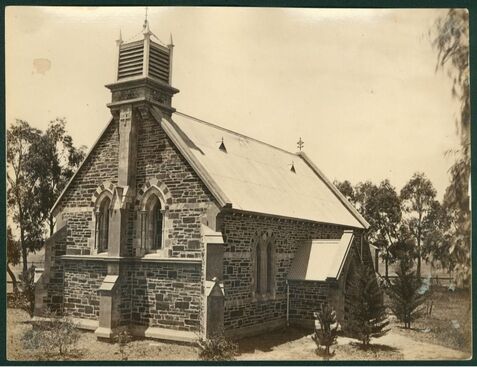
The church buildings have for a long time played a prominent role in the local community. Centrally located in the Unley civic and shopping precinct, our history dates back to 1870. The original church building was dedicated on Sunday 28th February of that year.
Mr EJ Trimmer gifted the land the church was built on just 8 years earlier. One year later the villages of Unley severed their link to the Mitcham Council when they were declared a Corporate Town.
Our History
St Augustine’s Anglican Church Unley has a long history at the heart of the Unley.
Many South Australian families have a connection with St Augustine’s through significant events in their past. This includes the joy of weddings and baptisms or the sadness of funeral farewells. It is also through the wider ministry of the church over many decades.
Indeed, many a visitor to our weekly services reminisce about these experiences. Our Unley Church has 2 distinct but united ministries. The English speaking service commences at 9.30 am on Sundays. The Mandarin bilingual service follows at 11.15 am.
The church buildings have for a long time played a prominent role in the local community. Centrally located in the Unley civic and shopping precinct, our history dates back to 1870. The original church building was dedicated on Sunday 28th February of that year.
Mr EJ Trimmer gifted the land the church was built on just 8 years earlier. One year later the villages of Unley severed their link to the Mitcham Council when they were declared a Corporate Town.
What We Believe
We are a church dedicated to worshipping God and sharing the Good News of our Lord and Saviour Jesus Christ and committed to serving each other and our neighbours.
Our core beliefs are those of basic Christianity, as revealed in the Bible and summarised historically in the three Creeds of the Church (the Apostles’ Creed, the Nicene Creed, and the Athanasian Creed) and the Thirty-Nine Articles of the Anglican Church.
The full text of the Apostles’ Creed and the Nicene Creed are provided, and a link is provided which will take you to the full text of the Thirty-Nine Articles.
The Apostles' Creed
I believe in God, the Father almighty,
creator of heaven and earth.
I believe in Jesus Christ, his only Son, our Lord,
who was conceived by the Holy Spirit,
born of the Virgin Mary,
suffered under Pontius Pilate,
was crucified, died, and was buried;
he descended to the dead.
On the third day he rose again;
he ascended into heaven,
he is seated at the right hand of the Father,
and he will come to judge the living and the dead.
I believe in the Holy Spirit,
the holy catholic* Church,
the communion of saints,
the forgiveness of sins,
the resurrection of the body,
and the life everlasting.
Amen.
*That is, the universal Christian church – all believers in Jesus Christ
The Apostles' Creed
I believe in God, the Father almighty,
creator of heaven and earth.
I believe in Jesus Christ, his only Son, our Lord,
who was conceived by the Holy Spirit,
born of the Virgin Mary,
suffered under Pontius Pilate,
was crucified, died, and was buried;
he descended to the dead.
On the third day he rose again;
he ascended into heaven,
he is seated at the right hand of the Father,
and he will come to judge the living and the dead.
I believe in the Holy Spirit,
the holy catholic* Church,
the communion of saints,
the forgiveness of sins,
the resurrection of the body,
and the life everlasting.
Amen.
*That is, the universal Christian church – all believers in Jesus Christ
The Nicene Creed
We believe in one God,
the Father, the Almighty,
maker of heaven and earth,
of all that is,
seen and unseen.
We believe in one Lord, Jesus Christ,
the only Son of God,
eternally begotten of the Father,
God from God, Light from Light,
true God from true God,
begotten, not made,
of one Being with the Father;
through him all things were made.
For us and for our salvation he came down from heaven,
was incarnate from the Holy Spirit and the Virgin Mary
and was made man.
For our sake he was crucified under Pontius Pilate;
he suffered death and was buried.
On the third day he rose again
in accordance with the Scriptures;
he ascended into heaven
and is seated at the right hand of the Father.
He will come again in glory to judge the living and the dead,
and his kingdom will have no end.
We believe in the Holy Spirit,
the Lord, the giver of life,
who proceeds from the Father and the Son,
who with the Father and the Son is worshipped and glorified,
who has spoken through the prophets.
We believe in one holy catholic and apostolic Church.
We acknowledge one baptism for the forgiveness of sins.
We look for the resurrection of the dead,
and the life of the world to come.
Amen.
The Nicene Creed
We believe in one God,
the Father, the Almighty,
maker of heaven and earth,
of all that is,
seen and unseen.
We believe in one Lord, Jesus Christ,
the only Son of God,
eternally begotten of the Father,
God from God, Light from Light,
true God from true God,
begotten, not made,
of one Being with the Father;
through him all things were made.
For us and for our salvation he came down from heaven,
was incarnate from the Holy Spirit and the Virgin Mary
and was made man.
For our sake he was crucified under Pontius Pilate;
he suffered death and was buried.
On the third day he rose again
in accordance with the Scriptures;
he ascended into heaven
and is seated at the right hand of the Father.
He will come again in glory to judge the living and the dead,
and his kingdom will have no end.
We believe in the Holy Spirit,
the Lord, the giver of life,
who proceeds from the Father and the Son,
who with the Father and the Son is worshipped and glorified,
who has spoken through the prophets.
We believe in one holy catholic and apostolic Church.
We acknowledge one baptism for the forgiveness of sins.
We look for the resurrection of the dead,
and the life of the world to come.
Amen.
The Thirty-Nine Articles of the Anglican Church
View the articles here
The Thirty-Nine Articles of the Anglican Church
View the articles here
What We Believe
We are a church dedicated to worshipping God and sharing the Good News of our Lord and Saviour Jesus Christ and committed to serving each other and our neighbours.
Our core beliefs are those of basic Christianity, as revealed in the Bible and summarised historically in the three Creeds of the Church (the Apostles’ Creed, the Nicene Creed, and the Athanasian Creed) and the Thirty-Nine Articles of the Anglican Church.
The full text of the Apostles’ Creed and the Nicene Creed are provided, and a link is provided which will take you to the full text of the Thirty-Nine Articles.
The Apostles' Creed
I believe in God, the Father almighty,
creator of heaven and earth.
I believe in Jesus Christ, his only Son, our Lord,
who was conceived by the Holy Spirit,
born of the Virgin Mary,
suffered under Pontius Pilate,
was crucified, died, and was buried;
he descended to the dead.
On the third day he rose again;
he ascended into heaven,
he is seated at the right hand of the Father,
and he will come to judge the living and the dead.
I believe in the Holy Spirit,
the holy catholic* Church,
the communion of saints,
the forgiveness of sins,
the resurrection of the body,
and the life everlasting.
Amen.
*That is, the universal Christian church – all believers in Jesus Christ
The Nicene Creed
We believe in one God,
the Father, the Almighty,
maker of heaven and earth,
of all that is,
seen and unseen.
We believe in one Lord, Jesus Christ,
the only Son of God,
eternally begotten of the Father,
God from God, Light from Light,
true God from true God,
begotten, not made,
of one Being with the Father;
through him all things were made.
For us and for our salvation he came down from heaven,
was incarnate from the Holy Spirit and the Virgin Mary
and was made man.
For our sake he was crucified under Pontius Pilate;
he suffered death and was buried.
On the third day he rose again
in accordance with the Scriptures;
he ascended into heaven
and is seated at the right hand of the Father.
He will come again in glory to judge the living and the dead,
and his kingdom will have no end.
We believe in the Holy Spirit,
the Lord, the giver of life,
who proceeds from the Father and the Son,
who with the Father and the Son is worshipped and glorified,
who has spoken through the prophets.
We believe in one holy catholic and apostolic Church.
We acknowledge one baptism for the forgiveness of sins.
We look for the resurrection of the dead,
and the life of the world to come.
Amen.
The Thirty-Nine Articles of the Anglican Church
View the articles here
Finding Your Place
St Augustine’s Unley is a welcoming church made up of people from many different backgrounds. What brings us together and binds us as a community is our shared faith in Jesus Christ and our love for God and his Church.
If you are interested in becoming part of our church community, the best place to begin is by joining us for worship on Sunday mornings. Reflecting the beautiful diversity of our parish, we are pleased to offer a dedicated Chinese service alongside our English-speaking worship. Whether you are joining us for our English or Chinese services, you will have the opportunity to meet people, form friendships, get to know the Minister and church leaders, and gain a sense of how our church lives and serves together as a community of believers.
Regular participation in Sunday worship is a vital expression of belonging to a church. Over time, it also opens the door to discovering other ways you might grow, serve, and deepen your connection within the life of the church.
Alongside our Sunday services, another important way of belonging is through our small groups. These groups meet during the week in people’s homes and provide space for friendship, mutual support, prayer, Bible study, discipleship, and practical mission. We warmly encourage you to consider joining a small group as a way of growing in faith and becoming more connected to the church family.
If you would like more information about our Chinese service, our small groups, or other ways to belong, please feel free to speak with our Minister or one of our church leaders, or contact the church office.
Baptism
If you are new to the Christian faith, an important next step in your spiritual journey is baptism. Baptism is a sacrament commanded by Jesus Christ (Matthew 28:19–20). It is a sign of God’s grace, our union with Christ, the forgiveness of sins, and our incorporation into the Body of Christ (1 Corinthians 12:13). Baptism is both a gift from God and a call to live as a disciple of Jesus.
If you sense that you would like to be baptised, we encourage you to speak with our Minister. He will guide you through the process and help you prepare for baptism. Because baptism is a significant step in the Christian life, the church offers a brief baptism preparation course, which is completed prior to the baptism service. Further details will be provided by the Minister.
Baptism
If you are new to the Christian faith, an important next step in your spiritual journey is baptism. Baptism is a sacrament commanded by Jesus Christ (Matthew 28:19–20). It is a sign of God’s grace, our union with Christ, the forgiveness of sins, and our incorporation into the Body of Christ (1 Corinthians 12:13). Baptism is both a gift from God and a call to live as a disciple of Jesus.
If you sense that you would like to be baptised, we encourage you to speak with our Minister. He will guide you through the process and help you prepare for baptism. Because baptism is a significant step in the Christian life, the church offers a brief baptism preparation course, which is completed prior to the baptism service. Further details will be provided by the Minister.
Confirmation
Confirmation is a service in which a baptised Christian publicly affirms their faith in Jesus Christ and commits themselves to following him as a mature disciple. In the service, the Bishop lays hands on the candidate and prays for the strengthening and renewing work of the Holy Spirit.
Confirmation is for those who were baptised earlier in life – often as infants or children – and who are now ready to make a personal and public profession of faith for themselves. It is a significant step of growth in the Christian life and a fuller expression of belonging within the Church.
Those preparing for confirmation take part in a period of teaching and preparation to help them understand the Christian faith and the meaning of the commitment they are making.
Confirmation
Confirmation is a service in which a baptised Christian publicly affirms their faith in Jesus Christ and commits themselves to following him as a mature disciple. In the service, the Bishop lays hands on the candidate and prays for the strengthening and renewing work of the Holy Spirit.
Confirmation is for those who were baptised earlier in life – often as infants or children – and who are now ready to make a personal and public profession of faith for themselves. It is a significant step of growth in the Christian life and a fuller expression of belonging within the Church.
Those preparing for confirmation take part in a period of teaching and preparation to help them understand the Christian faith and the meaning of the commitment they are making.
Reaffirmation of Baptism Vows
Reaffirmation of Baptism Vows is a service in which a baptised Christian renews the promises made at their baptism. This rite is for those who have already been baptised and, in many cases, confirmed, but who wish to renew their commitment to Christ – often after a time of spiritual growth, renewed faith, or a significant life transition. It provides an opportunity to publicly reaffirm one’s trust in Christ and one’s commitment to live as his disciple within the life of the Church. Reaffirmation does not repeat baptism but joyfully recalls and renews the grace and promises already given by God in baptism.
Reaffirmation of Baptism Vows
Reaffirmation of Baptism Vows is a service in which a baptised Christian renews the promises made at their baptism. This rite is for those who have already been baptised and, in many cases, confirmed, but who wish to renew their commitment to Christ – often after a time of spiritual growth, renewed faith, or a significant life transition. It provides an opportunity to publicly reaffirm one’s trust in Christ and one’s commitment to live as his disciple within the life of the Church. Reaffirmation does not repeat baptism but joyfully recalls and renews the grace and promises already given by God in baptism.
Reception
Reception is a service for Christians who have been baptised and confirmed in another Christian denomination and who now wish to become part of the Anglican Church. Through reception, a person is formally welcomed into the Anglican Church while recognising the validity of their baptism and confirmation in another Christian tradition. The Bishop receives the person into the Anglican Church with prayer and the laying on of hands. Reception is appropriate for those who are already committed followers of Jesus Christ and who desire to express their belonging and ongoing discipleship within the Anglican tradition.
Reception
Reception is a service for Christians who have been baptised and confirmed in another Christian denomination and who now wish to become part of the Anglican Church. Through reception, a person is formally welcomed into the Anglican Church while recognising the validity of their baptism and confirmation in another Christian tradition. The Bishop receives the person into the Anglican Church with prayer and the laying on of hands. Reception is appropriate for those who are already committed followers of Jesus Christ and who desire to express their belonging and ongoing discipleship within the Anglican tradition.
Exploring These Pathways
If you would like to explore baptism, confirmation, reaffirmation of baptism vows, or reception, we warmly encourage you to speak with our Minister. He will help you discern which pathway is most appropriate for you and guide you through the preparation process.
Exploring These Pathways
If you would like to explore baptism, confirmation, reaffirmation of baptism vows, or reception, we warmly encourage you to speak with our Minister. He will help you discern which pathway is most appropriate for you and guide you through the preparation process.
Finding Your Place
St Augustine’s Unley is a welcoming church made up of people from many different backgrounds. What brings us together and binds us as a community is our shared faith in Jesus Christ and our love for God and his Church.
If you are interested in becoming part of our church community, the best place to begin is by joining us for worship on Sunday mornings. Reflecting the beautiful diversity of our parish, we are pleased to offer a dedicated Chinese service alongside our English-speaking worship. Whether you are joining us for our English or Chinese services, you will have the opportunity to meet people, form friendships, get to know the Minister and church leaders, and gain a sense of how our church lives and serves together as a community of believers.
Regular participation in Sunday worship is a vital expression of belonging to a church. Over time, it also opens the door to discovering other ways you might grow, serve, and deepen your connection within the life of the church.
Alongside our Sunday services, another important way of belonging is through our small groups. These groups meet during the week in people’s homes and provide space for friendship, mutual support, prayer, Bible study, discipleship, and practical mission. We warmly encourage you to consider joining a small group as a way of growing in faith and becoming more connected to the church family.
If you would like more information about our Chinese service, our small groups, or other ways to belong, please feel free to speak with our Minister or one of our church leaders, or contact the church office.
Baptism
If you are new to the Christian faith, an important next step in your spiritual journey is baptism. Baptism is a sacrament commanded by Jesus Christ (Matthew 28:19–20). It is a sign of God’s grace, our union with Christ, the forgiveness of sins, and our incorporation into the Body of Christ (1 Corinthians 12:13). Baptism is both a gift from God and a call to live as a disciple of Jesus.
If you sense that you would like to be baptised, we encourage you to speak with our Minister. He will guide you through the process and help you prepare for baptism. Because baptism is a significant step in the Christian life, the church offers a brief baptism preparation course, which is completed prior to the baptism service. Further details will be provided by the Minister.
Confirmation
Confirmation is a service in which a baptised Christian publicly affirms their faith in Jesus Christ and commits themselves to following him as a mature disciple. In the service, the Bishop lays hands on the candidate and prays for the strengthening and renewing work of the Holy Spirit.
Confirmation is for those who were baptised earlier in life – often as infants or children – and who are now ready to make a personal and public profession of faith for themselves. It is a significant step of growth in the Christian life and a fuller expression of belonging within the Church.
Those preparing for confirmation take part in a period of teaching and preparation to help them understand the Christian faith and the meaning of the commitment they are making.
Reaffirmation of Baptism Vows
Reaffirmation of Baptism Vows is a service in which a baptised Christian renews the promises made at their baptism. This rite is for those who have already been baptised and, in many cases, confirmed, but who wish to renew their commitment to Christ – often after a time of spiritual growth, renewed faith, or a significant life transition. It provides an opportunity to publicly reaffirm one’s trust in Christ and one’s commitment to live as his disciple within the life of the Church. Reaffirmation does not repeat baptism but joyfully recalls and renews the grace and promises already given by God in baptism.
Reception
Reception is a service for Christians who have been baptised and confirmed in another Christian denomination and who now wish to become part of the Anglican Church. Through reception, a person is formally welcomed into the Anglican Church while recognising the validity of their baptism and confirmation in another Christian tradition. The Bishop receives the person into the Anglican Church with prayer and the laying on of hands. Reception is appropriate for those who are already committed followers of Jesus Christ and who desire to express their belonging and ongoing discipleship within the Anglican tradition.
Exploring These Pathways
If you would like to explore baptism, confirmation, reaffirmation of baptism vows, or reception, we warmly encourage you to speak with our Minister. He will help you discern which pathway is most appropriate for you and guide you through the preparation process.
Discover Jesus
When you find something good – really good – you want to share it with everyone. We think that knowing and following Jesus is the most important thing in life. And we want to give everyone the chance to investigate, ask their questions, and find out for themselves how great Jesus is.
Jesus’ life and teaching wasn’t about setting up some religious rules. The Jesus we meet in the Bible helps us understand who we are, the world in which we live, how we relate to God, what the purpose of life is, what God’s plan is for us, how we navigate life and relate to others.
We’d love to help you get started and introduce you to Jesus, so you can see for yourself the difference that Jesus could make to your life.
A Next Step
We regularly run a six-week course that introduces people to Jesus. There’s no assumed knowledge, and you won’t be expected to read or pray out loud. Over the six weeks you’ll go through the central truths of the Christian faith and have the opportunity to ask any questions you might have. There’s no obligation, but it may just change your life. We will advertise here the details of the course when they have been finalised.
Discover Jesus
When you find something good – really good – you want to share it with everyone. We think that knowing and following Jesus is the most important thing in life. And we want to give everyone the chance to investigate, ask their questions, and find out for themselves how great Jesus is.
Jesus’ life and teaching wasn’t about setting up some religious rules. The Jesus we meet in the Bible helps us understand who we are, the world in which we live, how we relate to God, what the purpose of life is, what God’s plan is for us, how we navigate life and relate to others.
We’d love to help you get started and introduce you to Jesus, so you can see for yourself the difference that Jesus could make to your life.
A Next Step
We regularly run a six-week course that introduces people to Jesus. There’s no assumed knowledge, and you won’t be expected to read or pray out loud. Over the six weeks you’ll go through the central truths of the Christian faith and have the opportunity to ask any questions you might have. There’s no obligation, but it may just change your life. We will advertise here the details of the course when they have been finalised.
What does it mean to be Anglican?
“Anglican” refers to the branch of the Christian Church that traces its roots back to the Church of England. Although the Church of England emerged as something distinctly separate from the Roman Catholic Church during the 16th-century English Reformation, Christianity has been present in the British Isles since at least the fourth century AD. So, although the word “Anglicanism” wasn’t coined until the 19th century, and although the 16-century English Reformation undoubtedly shaped Anglican identity, the roots of the Anglican tradition go back much earlier than the 16th century.
Today there are Anglican churches all around the world, and not just in England, because the Church of England went global through overseas mission and evangelism. This global family of churches is known as the Anglican Communion. St Augustine’s Church is part of the Anglican Diocese of Adelaide, which in turn is part of the Anglican Church in Australia.
The Anglican ethos has often been described in the Latin phrase via media (middle way). The desire of the early Anglican reformers was to stay true to the faith and convictions taught in Scripture but in a way that was accessible and relevant to the people of the 16th-century England. So right at the heart of Anglican Christianity is a desire to be simultaneously rooted and relevant, ancient and modern, traditional and innovative. Nowhere is this more plainly seen than in the Book of Common Prayer.
Originally written in 1549 by Thomas Cranmer, the BCP revolutionised the life and worship of the Church. Cranmer’s BCP was a brilliant innovation that brought new life and meaning to the ancient worship traditions of the church, because, for the first time, they were simplified and written in the language of the people rather than in Latin.
The BCP is also thoroughly infused with Scripture references from beginning to end as Cranmer had a deep conviction in the transforming power of God’s written Word.
What does it mean to be Anglican?
“Anglican” refers to the branch of the Christian Church that traces its roots back to the Church of England. Although the Church of England emerged as something distinctly separate from the Roman Catholic Church during the 16th-century English Reformation, Christianity has been present in the British Isles since at least the fourth century AD. So, although the word “Anglicanism” wasn’t coined until the 19th century, and although the 16-century English Reformation undoubtedly shaped Anglican identity, the roots of the Anglican tradition go back much earlier than the 16th century.
Today there are Anglican churches all around the world, and not just in England, because the Church of England went global through overseas mission and evangelism. This global family of churches is known as the Anglican Communion. St Augustine’s Church is part of the Anglican Diocese of Adelaide, which in turn is part of the Anglican Church in Australia.
The Anglican ethos has often been described in the Latin phrase via media (middle way). The desire of the early Anglican reformers was to stay true to the faith and convictions taught in Scripture but in a way that was accessible and relevant to the people of the 16th-century England. So right at the heart of Anglican Christianity is a desire to be simultaneously rooted and relevant, ancient and modern, traditional and innovative. Nowhere is this more plainly seen than in the Book of Common Prayer.
Originally written in 1549 by Thomas Cranmer, the BCP revolutionised the life and worship of the Church. Cranmer’s BCP was a brilliant innovation that brought new life and meaning to the ancient worship traditions of the church, because, for the first time, they were simplified and written in the language of the people rather than in Latin.
The BCP is also thoroughly infused with Scripture references from beginning to end as Cranmer had a deep conviction in the transforming power of God’s written Word.
What's in the name St Augustine's?
St Augustine’s Anglican Church is named after St Augustine of Canterbury, the missionary monk sent from Rome to England in AD 597 to proclaim the gospel to the Anglo-Saxons. Augustine became the first Archbishop of Canterbury and is widely regarded as the founder of the English Church. His ministry was marked by faithfulness to Christ, commitment to Scripture, and a passion for mission – bringing the good news of Jesus to a new land and people. By bearing his name, St Augustine’s Church stands in this historic Anglican tradition: rooted in the gospel, shaped by worship and prayer, and committed to sharing Christ’s love and truth with the wider community.
What's in the name St Augustine's?
St Augustine’s Anglican Church is named after St Augustine of Canterbury, the missionary monk sent from Rome to England in AD 597 to proclaim the gospel to the Anglo-Saxons. Augustine became the first Archbishop of Canterbury and is widely regarded as the founder of the English Church. His ministry was marked by faithfulness to Christ, commitment to Scripture, and a passion for mission – bringing the good news of Jesus to a new land and people. By bearing his name, St Augustine’s Church stands in this historic Anglican tradition: rooted in the gospel, shaped by worship and prayer, and committed to sharing Christ’s love and truth with the wider community.
What does it mean to be Anglican?
“Anglican” refers to the branch of the Christian Church that traces its roots back to the Church of England. Although the Church of England emerged as something distinctly separate from the Roman Catholic Church during the 16th-century English Reformation, Christianity has been present in the British Isles since at least the fourth century AD. So, although the word “Anglicanism” wasn’t coined until the 19th century, and although the 16-century English Reformation undoubtedly shaped Anglican identity, the roots of the Anglican tradition go back much earlier than the 16th century.
Today there are Anglican churches all around the world, and not just in England, because the Church of England went global through overseas mission and evangelism. This global family of churches is known as the Anglican Communion. St Augustine’s Church is part of the Anglican Diocese of Adelaide, which in turn is part of the Anglican Church in Australia.
The Anglican ethos has often been described in the Latin phrase via media (middle way). The desire of the early Anglican reformers was to stay true to the faith and convictions taught in Scripture but in a way that was accessible and relevant to the people of the 16th-century England. So right at the heart of Anglican Christianity is a desire to be simultaneously rooted and relevant, ancient and modern, traditional and innovative. Nowhere is this more plainly seen than in the Book of Common Prayer.
Originally written in 1549 by Thomas Cranmer, the BCP revolutionised the life and worship of the Church. Cranmer’s BCP was a brilliant innovation that brought new life and meaning to the ancient worship traditions of the church, because, for the first time, they were simplified and written in the language of the people rather than in Latin.
The BCP is also thoroughly infused with Scripture references from beginning to end as Cranmer had a deep conviction in the transforming power of God’s written Word.
What's in the name St Augustine's?
St Augustine’s Anglican Church is named after St Augustine of Canterbury, the missionary monk sent from Rome to England in AD 597 to proclaim the gospel to the Anglo-Saxons. Augustine became the first Archbishop of Canterbury and is widely regarded as the founder of the English Church. His ministry was marked by faithfulness to Christ, commitment to Scripture, and a passion for mission – bringing the good news of Jesus to a new land and people. By bearing his name, St Augustine’s Church stands in this historic Anglican tradition: rooted in the gospel, shaped by worship and prayer, and committed to sharing Christ’s love and truth with the wider community.

St Augustine’s Anglican Church
183 Unley Rd, Unley SA 5061, Australia
St Augustine’s Anglican Church
183 Unley Rd, Unley SA 5061, Australia
St Augustine’s Anglican Church
183 Unley Rd, Unley SA 5061, Australia